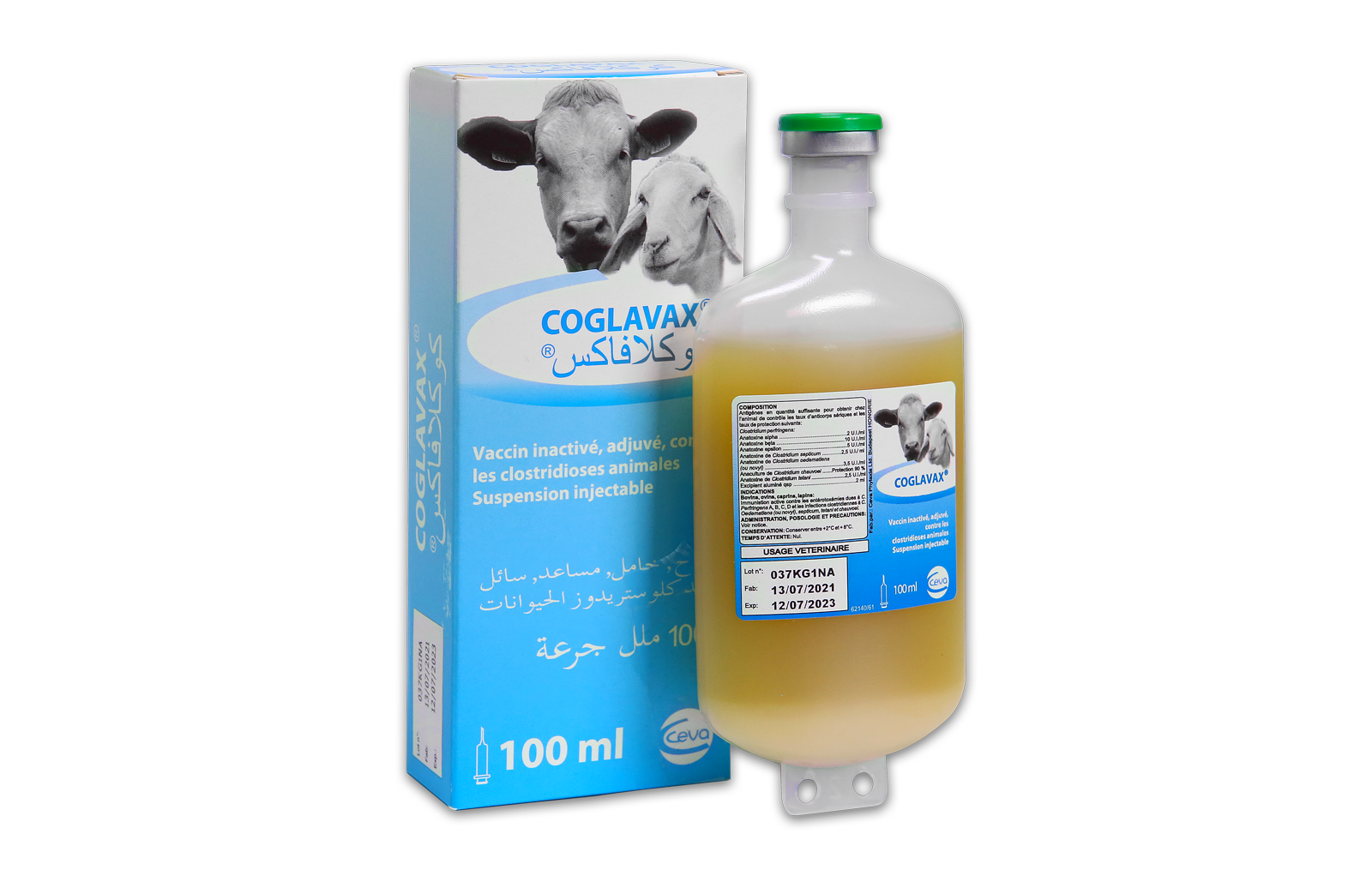
Clostridiosis is a bacterial infection caused by Clostridium species, which can affect ruminants and other livestock. It is a serious and often fatal disease that can manifest in several forms, including enterotoxemia, blackleg, and malignant edema.
The symptoms include lethargy, loss of appetite, fever, abdominal pain, and muscle stiffness. Treatment is seldom effective and typically involves the use of antibiotics and supportive care. Prevention measures are essential and include vaccination, proper sanitation and hygiene practices, and careful management of feeding and nutrition.
Clostridiosis is a bacterial infection caused by Clostridium species, which can affect ruminants and other livestock. It is a serious and often fatal disease that can manifest in several forms, including enterotoxemia ...
Clostridiosis is a bacterial infection caused by Clostridium species, which can affect ruminants and other livestock. It is a serious and often fatal disease that can manifest in several forms, including enterotoxemia, blackleg, and malignant edema.
The symptoms include lethargy, loss of appetite, fever, abdominal pain, and muscle stiffness. Treatment is seldom effective and typically involves the use of antibiotics and supportive care. Prevention measures are essential and include vaccination, proper sanitation and hygiene practices, and careful management of feeding and nutrition.