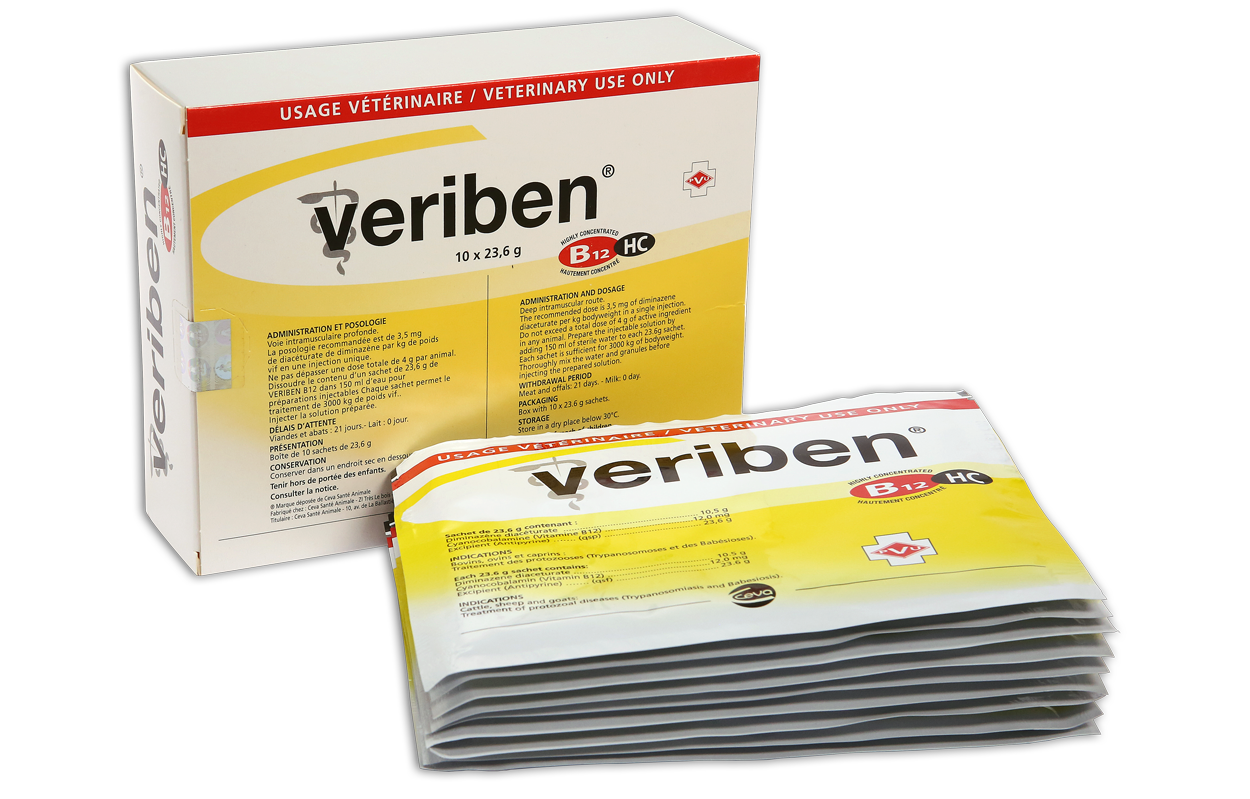
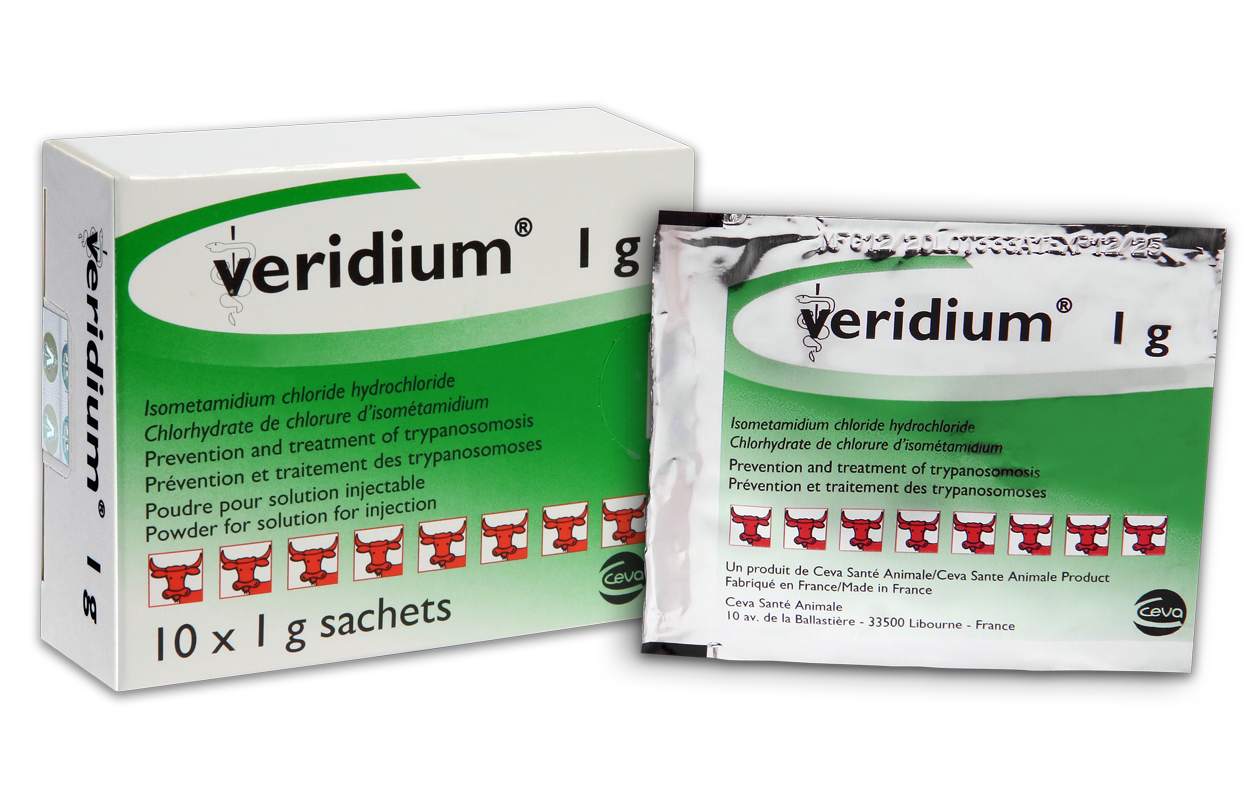
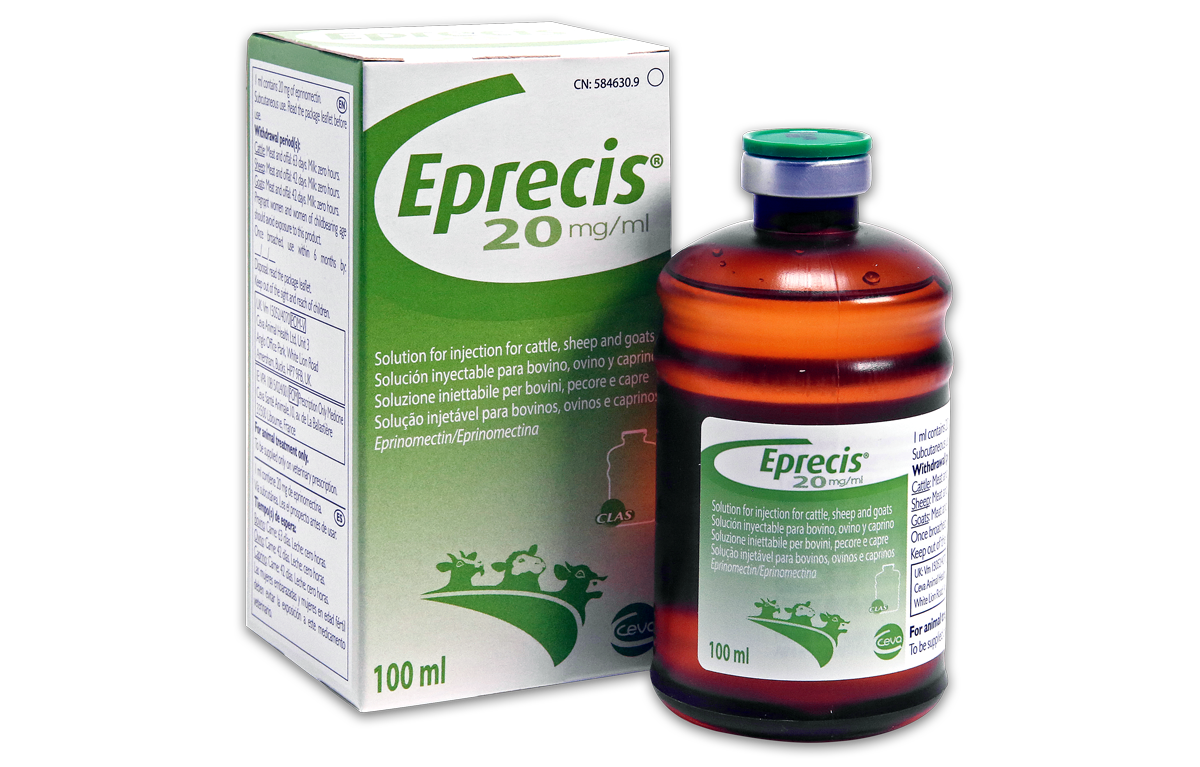
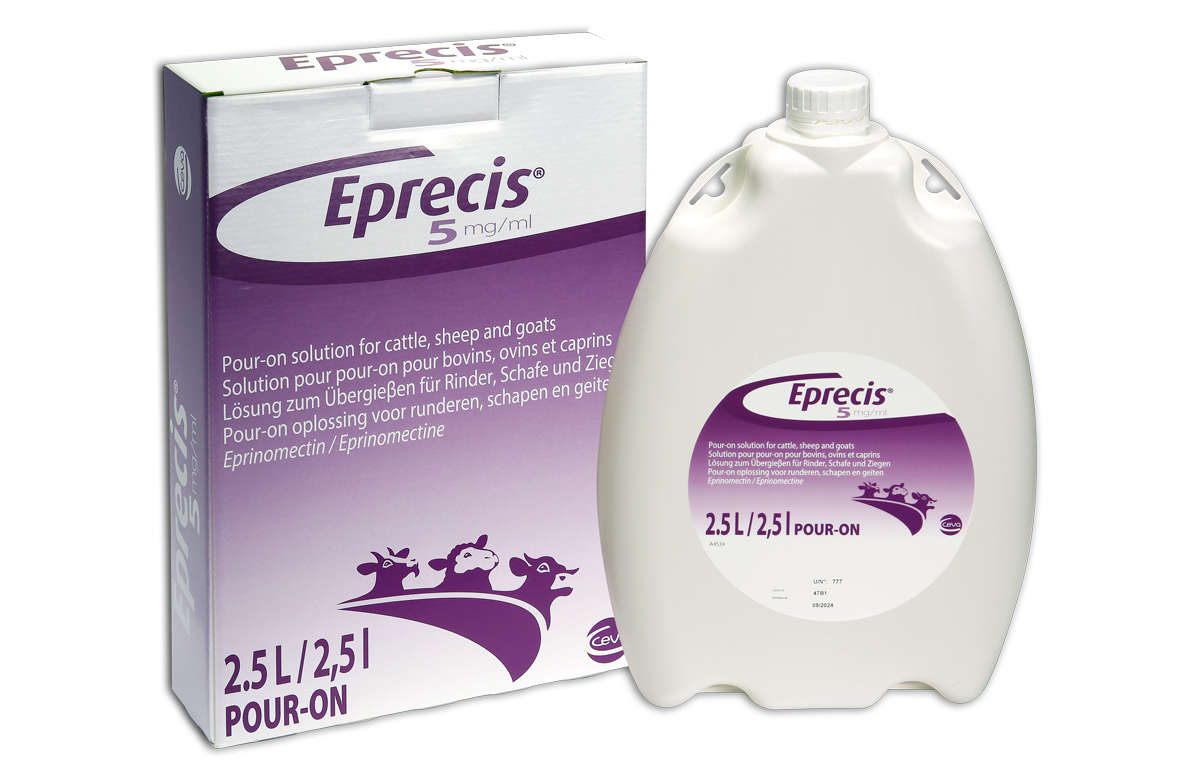
Ruminants can be infected with a variety of ecto and endo-parasites. These parasites can cause a range of health problems, including anemia, weight loss, and reduced productivity.
Symptoms of parasitism in cattle may include diarrhea, weight loss, anemia, and a rough hair coat. Treatment typically involves the use of parasiticides and supportive care, such as ensuring adequate nutrition and hydration. Prevention measures include deworming at regular intervals and practicing good hygiene and pasture management to reduce the risk of contamination.
Ruminants can be infected with a variety of ecto and endo-parasites. These parasites can cause a range of health problems, including anemia, weight loss, and reduced productivity.
Symptoms of para ...
Ruminants can be infected with a variety of ecto and endo-parasites. These parasites can cause a range of health problems, including anemia, weight loss, and reduced productivity.
Symptoms of parasitism in cattle may include diarrhea, weight loss, anemia, and a rough hair coat. Treatment typically involves the use of parasiticides and supportive care, such as ensuring adequate nutrition and hydration. Prevention measures include deworming at regular intervals and practicing good hygiene and pasture management to reduce the risk of contamination.